Capture
Collect ideas and tasks in a single trusted inbox rather than holding them in working memory.
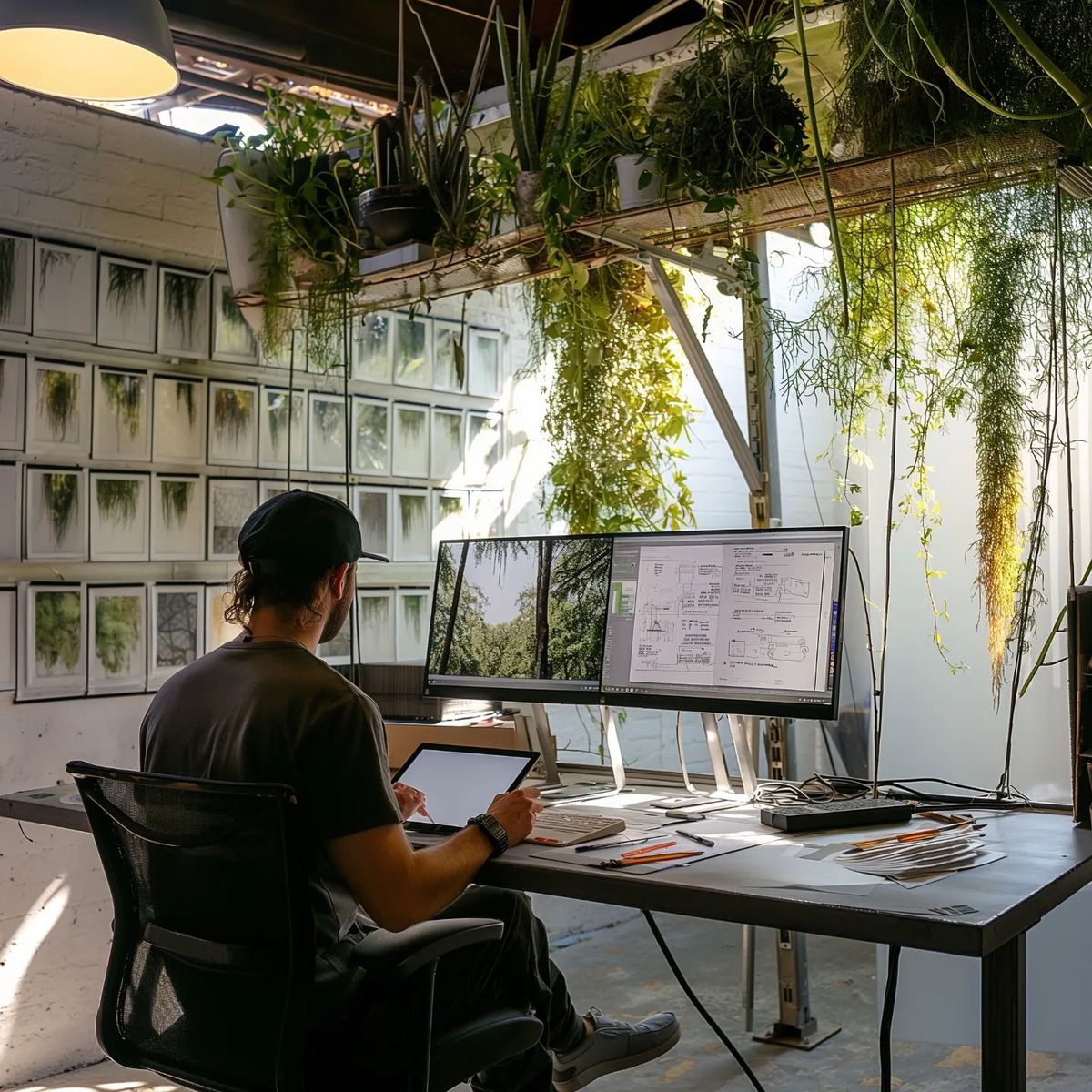
Personal planning routines can be organized much like a well-arranged workspace. We teach educational frameworks for structuring attention, managing information flow, and building productive habits — not psychological or medical services.
Clarity in daily planning often comes when tasks and ideas have designated places — notes, lists, calendars, and journals. Our content explains how to build these organizational structures without claiming therapeutic or health-related outcomes.
Collect ideas and tasks in a single trusted inbox rather than holding them in working memory.
Review captured items regularly and assign them to projects, schedules, or reference archives.
Work from prioritized lists during defined focus blocks with minimal context switching.
One primary objective per work block reduces decision fatigue and supports deeper engagement.
Fixed intervals create natural endpoints that prevent indefinite task expansion.
Attention is a limited resource that benefits from deliberate allocation. Our educational programs teach methods for designing focus sessions adapted from productivity research.
These techniques are productivity and planning tools only. They are not designed for individuals seeking licensed professional support for attention-related health concerns.
Think of your daily workflow as a desk. What sits on the surface should be only what you are actively working on. Everything else belongs in drawers, folders, or archives.
Current task materials—open document, reference notes, timer. Nothing else visible.
Queued tasks and ideas waiting for their scheduled time slot or further development.
Completed projects and reference materials stored for occasional retrieval.
Choose one task, gather materials, silence notifications, and set a visible timer for 25–90 minutes depending on task complexity.
Remain with the chosen activity until the timer signals completion or a natural stopping point arrives.
Step away from the workspace for 5–15 minutes. Move, hydrate, or observe your surroundings without screens.
Note what was accomplished, what remains, and any insights for the next session.
Journaling can support personal observation and pattern tracking over time. Our guides present several educational formats you can adopt or modify for planning purposes.
Three pages of unstructured writing upon waking to organize scattered notes before structured work begins.
Three prompts: What went well? What was challenging? What will I adjust tomorrow?
Four modules covering inbox management, weekly planning, and basic focus block implementation. Suitable for beginners.
Six modules on project organization, long-term goal mapping, and advanced journaling frameworks.
Eight modules exploring system integration, quarterly reviews, and peer mentoring within our community program.
Attach a desired behavior to something you already do consistently. This educational technique helps new practices take hold through association rather than willpower alone.
Participants build a complete personal productivity framework over six weeks with weekly group calls, accountability partners, and access to our full educational library.
This is an educational program. Participation is voluntary and individual experiences differ. We make no promises or guarantees regarding specific results.
Contact our Seattle-based team for information about consulting sessions, educational products, or upcoming programs. All offerings are informational in nature.